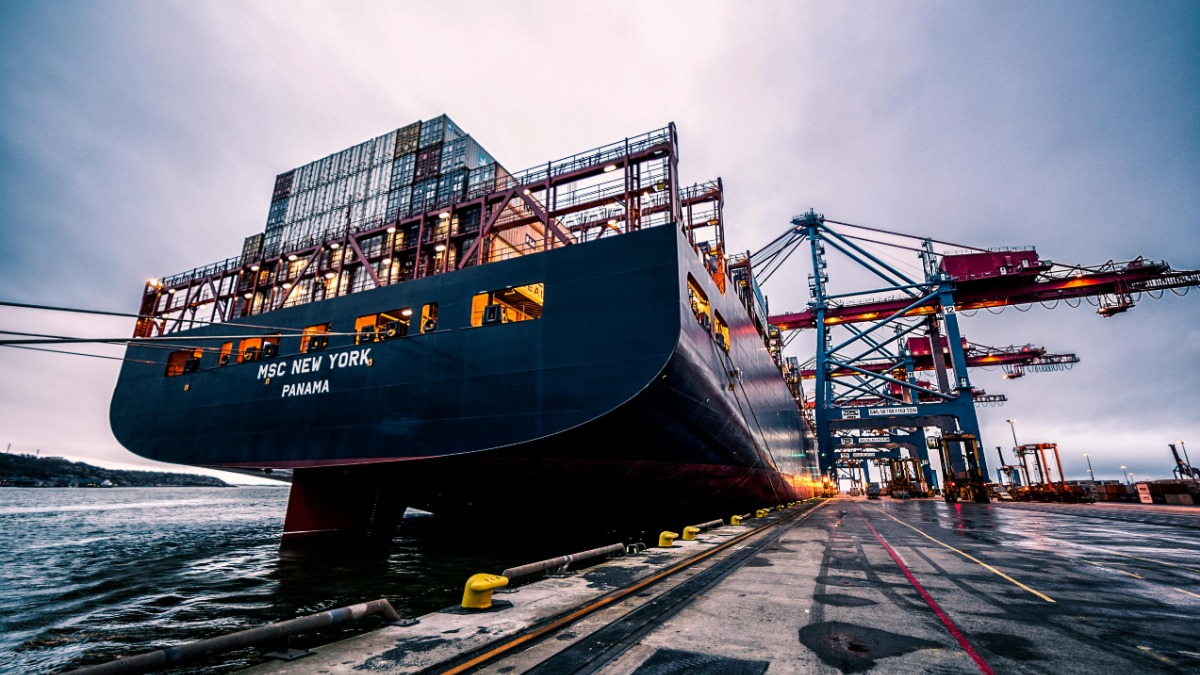
When global shipping faces disruption, many people assume the effects are limited to import-export companies. In reality, shipping chokepoints can influence everything from grocery packaging to electronics lead times. Even when headlines move on, bottlenecks in maritime routes can continue shaping prices and inventory decisions for months.
In 2026, the biggest lesson from recent disruptions is not that global trade is broken. It is that trade remains highly interconnected and sensitive to delay at a few critical nodes. If one major corridor slows down, downstream effects ripple through freight schedules, warehouse planning, and eventually consumer markets.
Why chokepoints have outsized influence
Global shipping is built for scale and timing. Ships, ports, rail links, trucking, and distribution centers all operate on coordinated windows. Chokepoints matter because they concentrate volume. A delay in one high-throughput area can push vessels off schedule across multiple regions.
When schedules slip, carriers reassign capacity, ports face bunching, and inland networks absorb uneven flows. This raises handling complexity and often increases costs that are passed along gradually through supply chains. The result is not always immediate price spikes; it is often persistent friction.
What businesses watch first when routes tighten
Importers and retailers monitor a few indicators closely: transit-time reliability, spot freight rates, container availability, and port dwell time. These metrics help planners decide whether to reroute shipments, increase safety stock, or shift sourcing windows.
The challenge is balancing cost against reliability. Fast alternatives may be expensive, while cheaper options may introduce delay risk. Companies with stronger forecasting and supplier coordination usually adapt better because they can make earlier trade-offs instead of reacting at the last minute.
How consumers feel shipping pressure
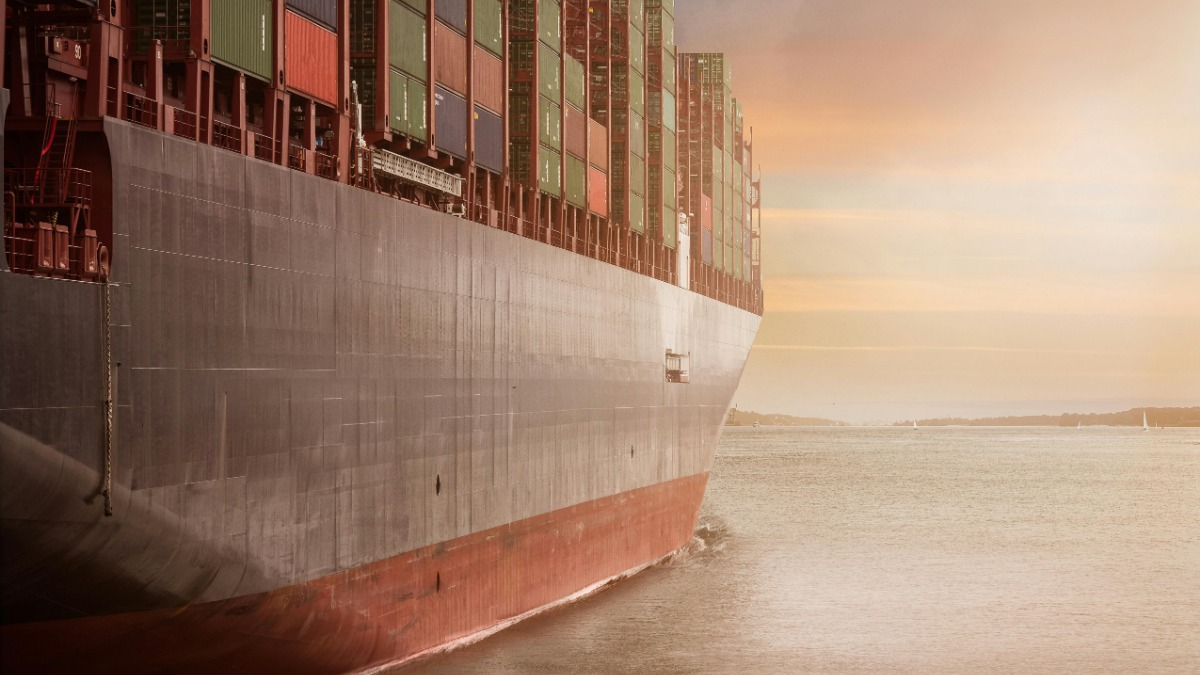
Consumers rarely see the shipping layer directly, but they notice second-order effects: longer delivery windows, intermittent stockouts, fewer promotions, and slower restocking of specific product categories. In some cases, brands adjust packaging sizes or product bundles to stabilize margins when logistics costs rise.
Price effects vary by category. Items with complex cross-border components or high transport intensity tend to be more sensitive. Essential goods may show smaller headline movement at first but can still reflect cumulative logistics pressure over time.
Regional diversification is growing, but slowly
Many governments and companies support regional diversification to reduce overreliance on single trade corridors. Nearshoring and multi-region sourcing can improve resilience, but these shifts take years. Supplier qualification, compliance checks, and infrastructure constraints limit how quickly networks can be redesigned.
For now, most firms still rely on hybrid models: keeping core routes while adding selective alternatives for critical SKUs. This approach is less dramatic than full relocation but often more practical.
Ports and carriers are adapting operationally
Ports are investing in scheduling tools, berth planning, and yard visibility systems to reduce congestion risk. Carriers are improving network planning and introducing more flexible service adjustments during disruption windows. These improvements can reduce volatility, but they do not remove exposure to geopolitical or weather-related events.
Digital visibility is helping shippers make better decisions earlier. Better ETA confidence allows warehouses and retailers to plan labor and inventory with less guesswork, which can reduce downstream inefficiency.
Why risk management now includes logistics strategy
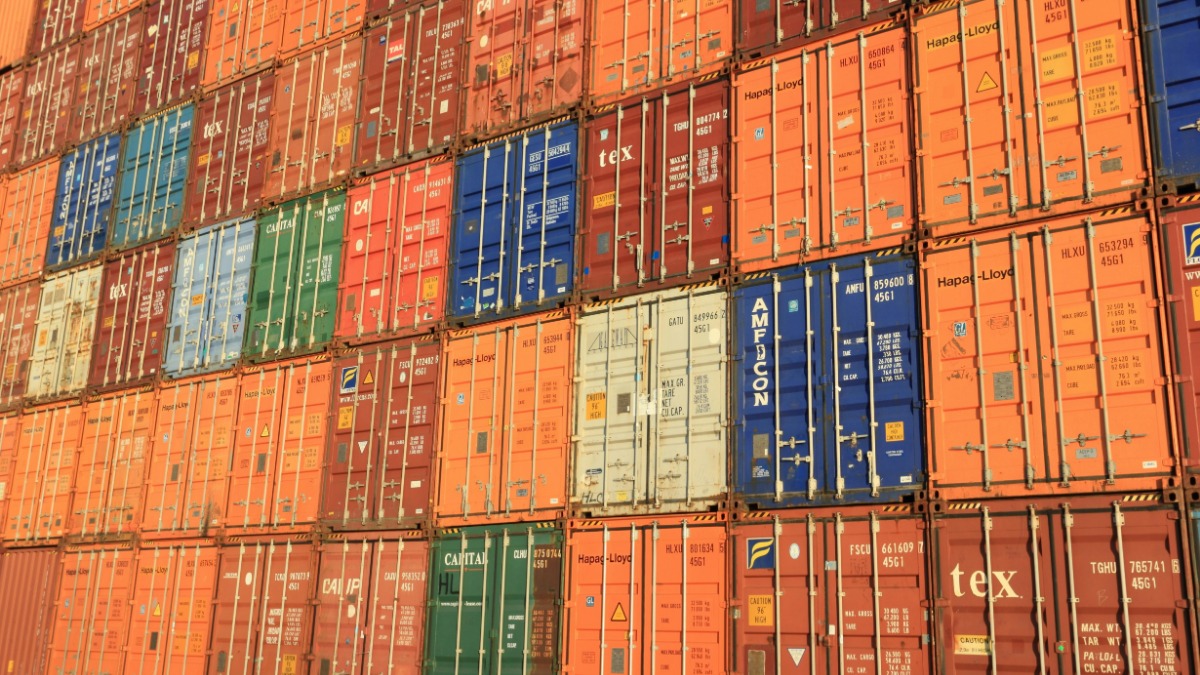
Logistics used to be treated mainly as an operations function. Today, it is increasingly part of executive risk planning. Leadership teams are building contingency frameworks for route disruption, fuel volatility, and sudden demand shifts. The focus is not predicting every event; it is predefining responses before pressure hits.
Common playbooks include staggered reorder points, multi-carrier contracts, and priority tiers for high-margin or essential products. These plans are not perfect, but they reduce chaotic decision-making during fast-moving disruptions.
What to expect in the next year
Global shipping networks are likely to remain functional but uneven. Some corridors may normalize while others stay sensitive to policy changes, weather extremes, and geopolitical incidents. Businesses that treat logistics reliability as a strategic variable—not a background assumption—will be better positioned.
For consumers, that likely means mixed outcomes: stability in some categories, periodic volatility in others, and continued importance of retailer inventory discipline. The big takeaway is straightforward: when shipping chokepoints tighten, the effects travel farther and last longer than many people expect.
A practical reader takeaway
If you manage household budgets or run a small business, watch availability as much as sticker price. Persistent out-of-stock patterns often signal upstream logistics pressure before broader price movements become obvious. Planning purchases a little earlier for high-need categories can reduce disruption to day-to-day routines.
In short, global shipping may feel distant, but its timing and cost signals still shape local economic reality. Understanding that link helps explain why some price and delivery changes appear even when local demand seems steady.
How policymakers and businesses can reduce shock risk
Public and private planning both matter. Policymakers can support port efficiency, inland transport reliability, and customs modernization to reduce avoidable delay. Businesses can improve data sharing across suppliers, forwarders, and distribution teams so disruptions are flagged earlier. Better coordination lowers panic responses and helps capacity flow where it is most needed.
Another useful step is scenario planning with clear trigger points. Instead of waiting for severe delays, teams can define thresholds—such as missed vessel windows or rising dwell times—that automatically activate alternate routing or inventory buffers. This turns uncertainty into a manageable process.
Bottom line for 2026 planning
Shipping risk is now a core planning input, not an occasional exception. Organizations that combine operational discipline with contingency planning can absorb volatility more effectively, protect service reliability, and avoid costly last-minute decisions.