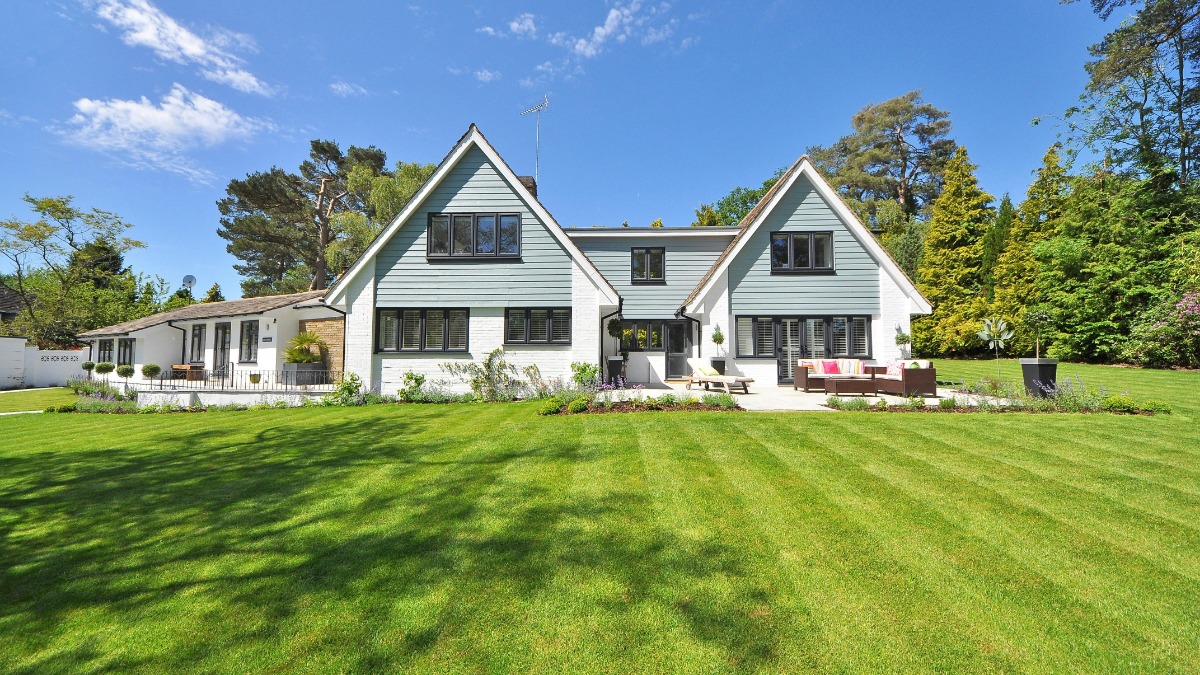
A great-looking front yard doesn’t have to mean constant trimming, watering, and weekend projects. The goal is to create a space that stays tidy and attractive through all seasons without becoming a second job.
The ideas below are beginner-friendly and practical. You can tackle one at a time, and each one helps reduce long-term maintenance while improving curb appeal.
1) Replace High-Maintenance Lawn Areas with Mulch Beds
Large lawns often demand the most time: mowing, edging, watering, and patch repair. If parts of your front yard struggle to grow grass anyway, convert those areas into mulch beds.
Start small. Choose one section such as around the mailbox, under a window, or along the driveway edge. Remove the grass, add a weed barrier where appropriate, then spread mulch at a consistent depth.
Mulch gives the yard a clean, finished look and helps soil hold moisture. It also reduces weed pressure compared with bare dirt. Keep mulch a few inches away from plant stems and tree trunks to avoid moisture problems.
For a polished result, use one mulch color throughout the front yard instead of mixing colors. Consistency makes the whole space look more intentional.
2) Choose Evergreen Shrubs as Your Foundation Plants
Evergreen shrubs are one of the easiest ways to keep your yard looking alive all year. Unlike plants that disappear in winter, evergreens keep structure and color in every season.
Pick varieties that match your climate and available space. For beginners, it’s usually safer to select slow- or moderate-growth shrubs that won’t outgrow their spot quickly.
When planting, leave enough room for mature size so you don’t need constant pruning later. A good rule is to avoid planting shrubs right against walls or tightly packed together.
Use a simple repeating pattern—such as three of the same shrub type along the front of the house—for a balanced look with less decision fatigue.
3) Use Perennials Instead of Replanting Annuals Every Season
Annual flowers can be beautiful, but replacing them every year adds cost and work. Perennials come back on their own, which saves time once established.
Look for reliable, low-fuss perennials suited to your sun exposure. Group plants with similar water and light needs so care stays simple. If one zone gets full sun and another stays shady, treat them as separate planting zones.
Plan with bloom timing in mind: choose a mix that flowers in spring, summer, and late season so the bed never looks empty for too long.
You don’t need dozens of varieties. Fewer plant types in larger groups usually look cleaner and are easier to maintain than a crowded mix of one-offs.
4) Install a Simple Drip Irrigation or Soaker Hose Setup
Hand watering wastes time and is easy to forget during busy weeks. A basic drip system or soaker hose setup can make watering more consistent with less effort.
For beginner projects, start with one bed near a hose connection. Use a timer so watering happens automatically in short, steady cycles.
Automatic, targeted watering helps reduce runoff and keeps water near plant roots where it’s needed most. It also avoids soaking walkways and driveways.
Check the system every few weeks for clogs, leaks, or shifted lines. A quick inspection keeps it working well and prevents surprise plant stress.
5) Define Edges for a Cleaner, Lower-Work Look
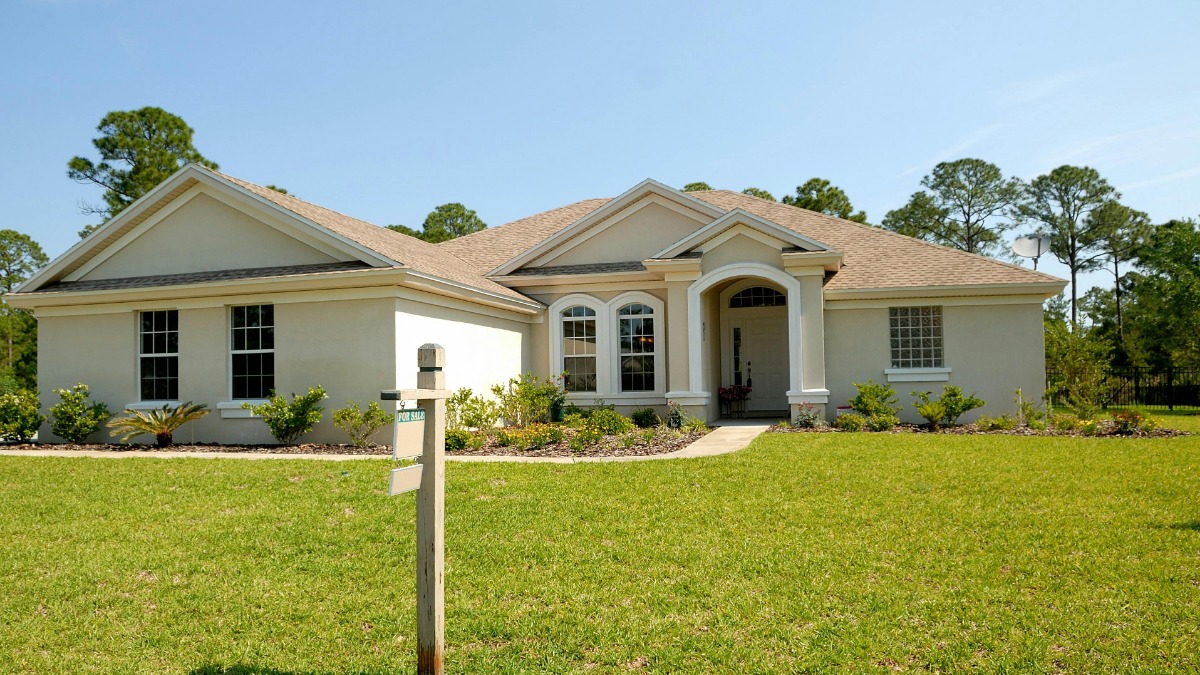
Even healthy plants can look messy if bed edges are vague. Clean borders between lawn, paths, and planting beds make a yard look maintained even when growth is a little wild.
Use metal, stone, or composite edging for long-term durability. If you prefer a no-material option, cut a neat trench edge with an edger and refresh it periodically.
Straight lines and gentle curves are easiest to maintain. Overly intricate shapes may look nice at first but take more trimming and touch-ups over time.
Once edges are in place, mowing and weed control get easier because boundaries are obvious. That means less guesswork and faster weekly upkeep.
6) Add Gravel or Pavers for High-Traffic Zones

If people frequently walk across your yard, grass in those spots usually thins out and turns muddy in wet weather. Creating a defined hard surface prevents constant patching.
A short gravel path from sidewalk to porch, or pavers near the entry, improves function and appearance at the same time. These surfaces also reduce dirt tracked to the front door.
For gravel paths, add landscape fabric and edging to keep stones in place. For pavers, focus on base prep and leveling so they stay stable.
You don’t need to hardscape the entire yard. Target only the trouble spots where wear is highest.
7) Keep Decor Minimal and Durable
Too many decorative items can make a front yard feel cluttered and increase cleaning time. A low-maintenance yard usually looks best with a few durable focal points.
Choose weather-resistant pieces such as one statement planter, a simple house-number feature, or a sturdy bench near the entry. Then leave enough open space around them so they stand out.
Stick to a limited color palette across pots, edging, and accessories. Coordinated finishes make the yard look intentional without extra effort.
At the start of each season, do a quick reset: wipe surfaces, remove broken items, and refresh mulch where needed. A short seasonal routine prevents larger cleanup projects later.
A front yard can look attractive year-round without constant work when you focus on smart plant choices, clear structure, and easy-care materials. Start with one improvement this month, then layer in the next over time.
If you want, begin with the three biggest impact moves: define edges, convert one lawn section to mulch, and add evergreen foundation shrubs. Those alone can dramatically improve the look of your front yard while keeping maintenance manageable.